Finance teams are drowning in their own processes. 53% of finance leaders cite manual processes as their biggest bottleneck in the revenue recognition process, highlighting the critical benefits of revenue recognition automation. Our recent survey of SaaS finance executives found nearly every respondent identified at least one significant blocker in their current workflow for recognizing revenue.
The manual data entry mistakes, reconciliations, and error-prone calculations that once seemed manageable in spreadsheets are now breaking under the weight of modern business complexity. With ASC 606, International Financial Reporting Standards (IFRS 15) compliance requirements, multi-element subscription models, and accelerated financial reporting demands, finance teams can no longer afford manual revenue recognition.
Revenue recognition automation isn’t just about replacing spreadsheets; it’s about delivering accurate revenue recognition in line with Generally Accepted Accounting Principles (GAAP) and Financial Accounting Standards Board (FASB) guidance, ensuring proper revenue recognition for all revenue transactions.
The companies that adopt automated revenue recognition software first are the ones positioning themselves to scale efficiently, protect financial health, and improve financial performance, while competitors struggle with outdated financial processes and month-end chaos.
Why Revenue Recognition Is So Complex Today
Revenue recognition is more than just complicated—it’s a landscape filled with revenue compliance complexities. Operations, compliance, financial data integrity, and revenue forecasting have become more error-prone and risky than ever.
As companies adopt new monetization models—from software as a service subscriptions to usage, services, and hybrid approaches—their legacy revenue recognition software built for one-time product purchases is holding them back.
Modern monetization models like subscriptions, usage-based pricing, event-based milestones, services, and bundled offerings create complex revenue streams and diverse revenue models. Finance teams inherit these decisions and must track related performance obligations and customer contracts, then accurately recognize revenue under the main revenue recognition methods so financial statements reflect true results.
Legacy “automated” tools, many built decades ago, weren’t designed for multiple revenue models or high-volume revenue-generating transactions. Disconnected financial systems and data silos add to the risk of errors, longer close cycles, and non-compliance with ASC 606 and IFRS 15, issued by the International Accounting Standards Board (IASB).
Partial automation isn’t enough. Without full revenue recognition automation software that integrates seamlessly with existing systems, finance leaders struggle to align billing forecasts with revenue forecasting and to execute revenue recognition policies efficiently. As businesses grow, so does the complexity, making manual revenue recognition not just inefficient, but dangerous.
Compliance only raises the bar. ASC 606 and IFRS 15 require precision, transparency, and auditability. As the business scales, so does the chaos, making manual revenue management not just unsustainable, but dangerous.
Below, we’ll explore the key benefits of revenue recognition automation and why it’s vital for software as a service (SaaS), subscription-based, and high-volume transaction companies.
Core Benefits of Revenue Recognition Automation
Change is constant in business; what matters most is a company’s ability to adapt. Adopting revenue recognition automation delivers key benefits for finance departments, enabling compliance, efficiency, and scalability.
1. Ensures Compliance With Evolving Standards
Under ASC 606 and IFRS 15, teams must identify, record, and report all revenue transactions accurately. Doing this manually is time-consuming and resource-intensive, increasing audit risk.
An automated revenue recognition software solution like RightRev automates the five steps for ASC 606/IFRS 15 compliance, allocates standalone selling prices, and handles multiple revenue models, including product bundles and hybrid revenue streams.
It ensures accurate financial reporting and provides clear audit trails in line with accounting principle standards. It also handles different contract types, like product bundles, to accurately recognize revenue and provide clear audit trails.
2. Reduce Errors and Risk
Manual tools like spreadsheets not only drain time for more strategic tasks but also create opportunities for manual data entry mistakes and miscalculations.
They also pose different challenges, including:
- Poor timing in recognition
- Manual data entry mistakes
- Miscalculations and misstatements
- Longer close cycles
- Increased audit risks
Automation eliminates manual revenue recognition from start to finish, applying consistent rules across financial processes and ensuring accurate revenue recognition based on real-time financial data.
This approach can reduce errors significantly, improve financial management, and free up resources for more strategic tasks like strategic initiatives and pricing decisions. Teams unlock up to 60% gains in operational efficiency, freeing up time for revenue insights, strategic guidance, and proactive pricing and packaging decisions.
3. Streamlines Month-End and Year-End Close
Monthly and yearly accounting periods don’t have to be daunting for accounting teams. Revenue recognition automation for accounting offers much-needed relief. With it, teams no longer need to start the reconciliation and reporting process at the last minute, which only increases the likelihood of errors and miscalculations.
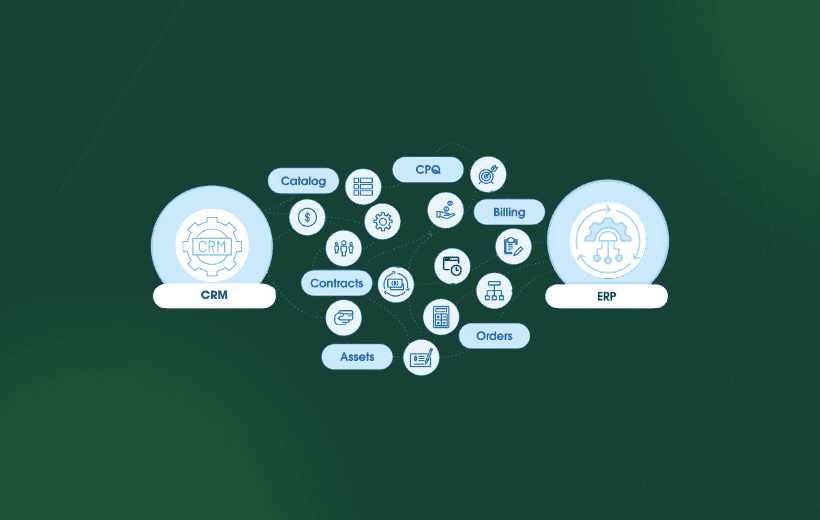
With automation, teams can calculate key metrics like monthly recurring revenue and annual recurring revenue in real time, generate journal entries automatically, and integrate with CRM and ERP systems. This reduces close cycles, improves financial operations, and ensures financial statements reflect current performance.
4. Improves Cross-Functional Visibility
Proper revenue recognition involves multiple teams or departments working closely to ensure accuracy and make sound decisions. This is easy with automated tools, which provide real-time revenue data to finance, sales, and leadership, breaking down silos between teams.
Automated tools centralize financial data, making it accessible to finance, sales, and leadership. This helps teams make better decisions about customer lifetime value, pricing strategies, and customer churn reduction. Revenue recognition automation offers a foundation for collaboration and accurately recognizes revenue across departments.
As a result of this, automation improves collaboration and communication between teams to help achieve goals, close books faster, and avoid non-compliance.
5. Scales With Your Business
As businesses grow, so do revenue compliance complexities. Platforms like RightRev scale across diverse revenue models, supporting multiple revenue models and global standards while integrating with existing systems. This adaptability is critical for high-growth software as a service providers, telecoms, and digital services handling complex revenue streams.
It’s a particularly vital attribute for fast-growing SaaS, telecom, and digital service providers. Their diverse revenue models have unique elements, such as bundled products, cancellations, seasonal shifts, and contract modifications.
With an automated revenue recognition solution like RightRev, you get a future-ready finance function that can confidently say “yes” to how customers want to buy from subscriptions, usage, milestones, bundles, and beyond.
6. Better Revenue Forecasting and Strategic Planning
Revenue recognition automation gives finance teams tools to model the impact of different contract types, pricing structures, and contract changes. This level of visibility empowers finance teams to be proactive instead of reactive.
Instead of reporting on what has already happened, teams can share powerful insights and forecasts, allowing businesses to optimize resource allocation, implement strategic planning, and seamlessly adapt to changing market conditions.
Automation enables scenario modeling for strategic initiatives and financial performance planning. Finance teams can run revenue forecasting models based on customer contracts, accounting principle requirements, and financial data from existing systems.
Turning Revenue Data Into Strategic Insight
Automating the reporting of revenue transactions doesn’t just improve operational efficiency; it also unlocks opportunities for more informed decision-making. It’s time Accounting teams stop wrestling with spreadsheet workarounds and start owning strategic insight.
With accurate revenue tracking in place, finance leaders can gain deeper insights into key business drivers like customer lifetime value (CLV) and customer churn trends. These metrics help pinpoint which products, pricing structures, or customer segments deliver the most value and which may require adjustment.
Advanced software solutions calculate standalone selling prices (SSPs) and allocate revenue across performance obligations in real time. Whether you’re assessing strategic initiatives, expanding to global operations, or experimenting with new pricing tiers, automation delivers the confidence you need to move forward.
How RightRev Helps Automate Revenue Recognition at Scale
A key step to implementing revenue recognition automation is deploying the right revenue recognition automation software. This is particularly important for businesses that still rely on legacy tools, which cost the average company about $3 million to maintain.
RightRev is a powerful pick for today’s finance teams, offering key features that make it among the right revenue recognition software:
- Embedded in Salesforce or as a Standalone: RightRev is available both as a Salesforce integration and as a standalone solution. As a Salesforce integration, it allows teams to run their entire quote-to-revenue process within Salesforce for complete visibility, while the standalone functionality provides flexibility for organizations using other systems or preferring an independent revenue management platform.
- Flexible rules engine: Teams can use configurable revenue rules for services, recurring revenue, event-based, or one-time sales to ensure accurate schedules.
- Complex Revenue Accounting Regardless of a business model or goal, RightRev adapts to different use cases, models, and complexities, such as usage-based pricing, contract modifications, and multi-element arrangements.
- Highly performant: RightRev can handle nearly a billion transactions within minutes and close the books faster- performance required for growing mid-size and large enterprise organizations.
This is all possible because RightRev is meant to handle the unique and complex scenarios in revenue recognition. It also supports seamless integration with order-to-cash systems, ERPs, and billing platforms to ensure smooth data flow and increased revenue visibility. RightRev is built for customers who expect options in how they purchase.
We recognize revenue for buyer flexibility with speed, scale, and precision.
Key Considerations for Finance Leaders Exploring Automation
While there’s a strong business case for revenue recognition automation, teams shouldn’t just adopt any tool. Implementing automated revenue recognition software impacts existing systems, workflows, and processes, so selecting the right solution matters.
If you’re considering adopting revenue recognition automation, keep these key performance factors in mind:
- Compliance and standards support: The best tools will support ASC 606 and IFRS 15 out of the box. It must also have built-in audit readiness with automated documentation and traceability.
- Scalability: Ensure the software can handle existing volumes and business model complexity without expensive add-ons and modifications.
- Automation: The right solution automates up to 90% of workflows to eliminate manual and time-consuming processes like financial data entry, reconcilliations, and journal entry generation.
- Integration: Opt for software that supports seamless integration with existing tools like CRM, ERP, and billing platforms to centralize operations and ensure revenue visibility.
- No-code customization: Invest in a solution that allows configuration and customization without custom code to adapt it to your unique workflows.
- Reporting: It must offer built-in dashboards and customizable reports for cash flow, revenue, and forecasting.
Tactical fixes and manual workarounds to address challenges in revenue recognition are never sustainable. They eat into crucial resources, complicate financial operations, and slow down processes. Instead, finance leaders should invest in automated tools for a long-term strategic solution to today’s ever-evolving revenue recognition challenges.
Simplify Revenue Recognition Through Automation
Revenue recognition automation is not just about adhering to revenue compliance complexities; it’s about building a solid foundation for financial health and agility, and most importantly, business growth.
As it is, revenue recognition is already complex. Trying to cling to legacy or manual methods only complicates it further.
Efficiency and productivity suffer, close cycles drag on, and the business misses crucial opportunities. Worse still, audit risk increases and compliance issues become the norm.
But a solution is within reach. Businesses can embrace automation and take control of their revenue recognition process.
This means no more manual data entry, tedious SSP calculations, blind tracking, miscalculations, or incomplete data. Automated platforms like RightRev simplify every step and process, from start to finish.
Book a demo today to see how RightRev can help you reap the benefits of revenue recognition automation.