-
 Guides, Revenue Recognition
What Finance Teams Need to Know Before Adopting Outcome-Based Pricing
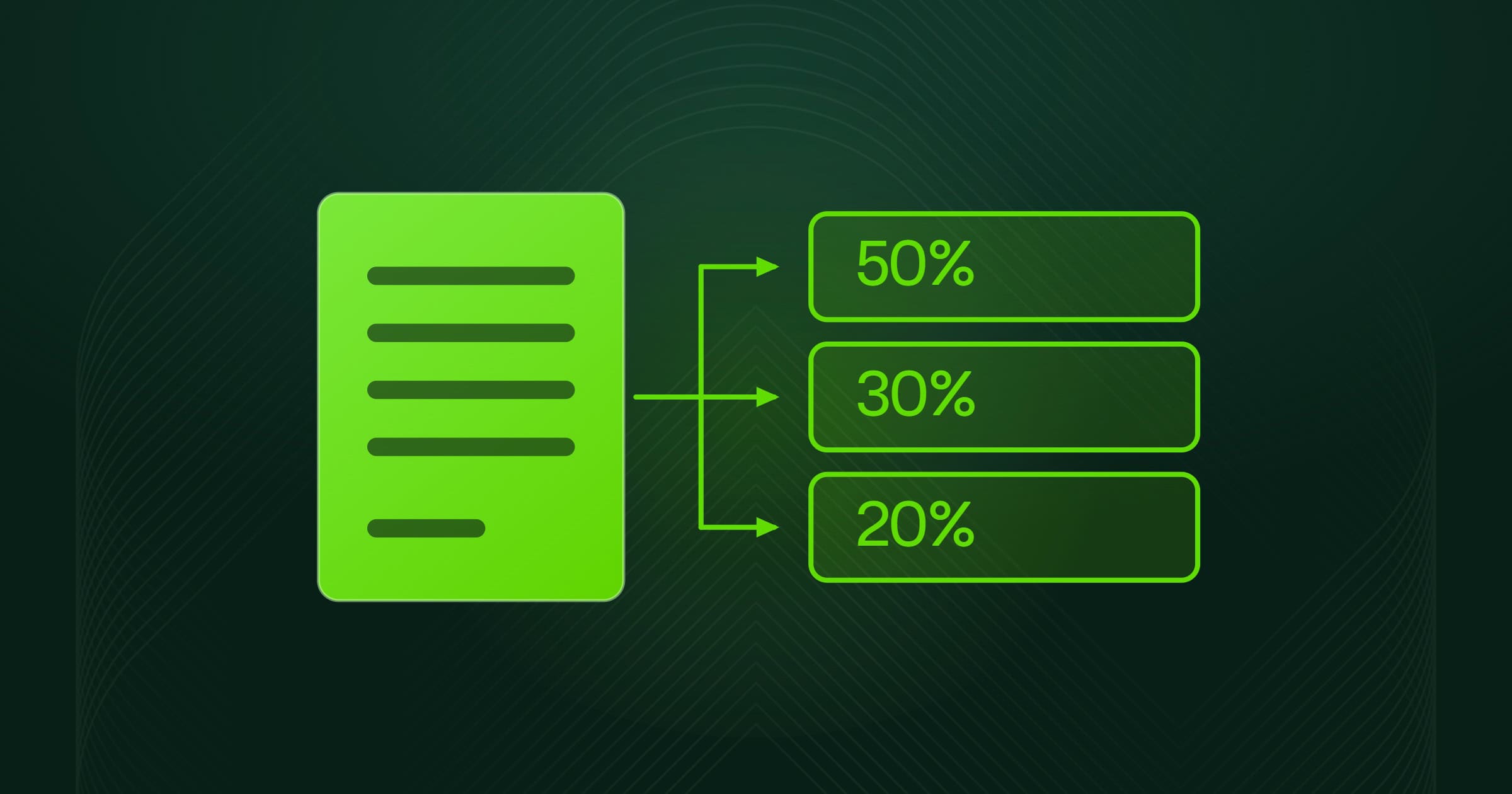
Outcome-based pricing sounds simple: no resolution, no charge. Making it work from a revenue accounting standpoint takes more than a billing system can give you. Here’s what needs to be in place before the pricing model goes live.
-
Guides, Revenue Recognition
How to Evaluate SSP Allocation in RevRec Software in 2026
Evaluate SSP allocation under ASC 606: methods, modification handling, and audit-ready support across revenue recognition vendors. Updated for 2026.
-
Revenue Recognition
5 Real-World Examples of the Revenue Recognition Principle (Beyond ASC 606)
By understanding the revenue recognition concept and its nuanced process, businesses can provide stakeholders with a comprehensive view of their financial performance, promoting transparency and trust in financial reporting. Let’s review four of the most common examples of the revenue recognition principle.
-
Accounting, Guides, Revenue Recognition
Complete Guide to Subscription Revenue Accounting
In this guide, we dive into subscription revenue accounting to help you ensure accurate revenue recognition and sound financial health.
-
AI, Revenue Recognition
Why AI Pricing Models Are Outpacing Revenue Recognition in 2026
AI pricing has changed three times in three years, seats to usage to outcomes. The accounting standards can handle it. Most finance systems can’t. Here’s the operational gap nobody’s pricing deck accounts for.
-
Revenue Recognition
The SEC’s New Accounting Unit: What It Means for Revenue Recognition in 2026
For companies applying ASC 606, especially public companies and IPO candidates, this raises the cost of an undocumented or outdated revenue recognition policy from an audit finding to a potential enforcement target.
-
Revenue Recognition
How to Evaluate Revenue Recognition Software
If you’re shopping for revenue recognition software, you’re about to discover something the vendors’ homepages won’t tell you upfront: there is no “best” revenue recognition software. There’s only the software that’s best for your unique revenue needs. That “unique” isn’t just your revenue methods and model, it’s your tech stack, your reporting needs (GAAP or […]
-
Accounting, Revenue Recognition
Deferred Revenue: How to Recognize It Properly
With the roll-out of ASC 606, there was a slight adjustment to the terminology for deferred revenue, as well as accrued revenue. Now, if an agreement has deferred revenue, it is referred to as being in the “contract liability” position whereas accrued/unbilled revenue is now known as being in the “contract asset” position.
-
Accounting, Revenue Recognition
Revenue Recognition Under GAAP: Key Principles
Despite all the potential complexities, businesses must recognize revenue according to established industry standards to stay legally compliant and report their financials accurately and transparently. Performed correctly, revenue recognition follows several generally accepted accounting principles (GAAP) that we will discuss in more detail.
-
Accounting, Revenue Recognition
Guide to Choosing the Best Revenue Recognition Software
The risks—and rewards—of buying revenue recognition software are high. Make the right choice, finance becomes an enabler of growth, not a barrier, and revenue reporting becomes a seamless part of the operation.
-
AI
Why You Can’t Vibe Code Revenue Recognition
RightRev’s founder on why AI can speed up the coding but can’t own the accounting judgment and revenue recognition demands.
-
AI, Revenue Recognition
Build With AI vs. Buy: Revenue Recognition
AI speeds up the easy part. It accelerates the mechanical, pattern-matching parts of a revenue recognition build. The hard part is exhaustive, accounting-owned judgment and hundreds of edge cases — each one wrong in a different way, each invisible until an auditor, or a restatement, finds it.
Revenue Recognition Insights
Your Source for Revenue Recognition Knowledge

Video
RightRev Product Mini Demo
Explore RightRev’s automated revenue recognition capabilities in a product demo led by our Solutions Consultant. We’ll demonstrate how to configure revenue rules for any revenue model, whether upon bookings, billings, project milestones, percentage of completion, or usage data.

FAQs
RightRev FAQs
Read the frequently asked questions about RightRev. Learn about common use cases, our customers, and pricing information.

Video
Bookings, Billings, and Revenue…All In One Place
Discover the advantages of having a unified view of bookings, billings, and revenue in a single system. Learn how companies are streamlining Quote-to-Revenue processes in Salesforce + RightRev.